
What is Hydro-Vacuum Excavation?
Hydro-vacuum excavation is a non-destructive digging method used to work safely in sensitive areas, such as around buried utility lines, pipelines, or tree roots.
This soft-touch technique uses pressurised water to gently loosen the soil without mechanical force, while a high-powered vacuum hose removes the displaced material. The excavated material is then stored securely in a tank mounted on the vehicle, ensuring safe and efficient excavation.
Axles Rental has developed and extensively tested a range of Hydro-Vacuum excavation equipment that is specifically designed to meet the needs and requirements of water authorities.
Applications:
- Water, Gas, Electric and Telecommunication lines
- Railway bridge works
- Confined spaces
- Tank excavation
- Sewage works
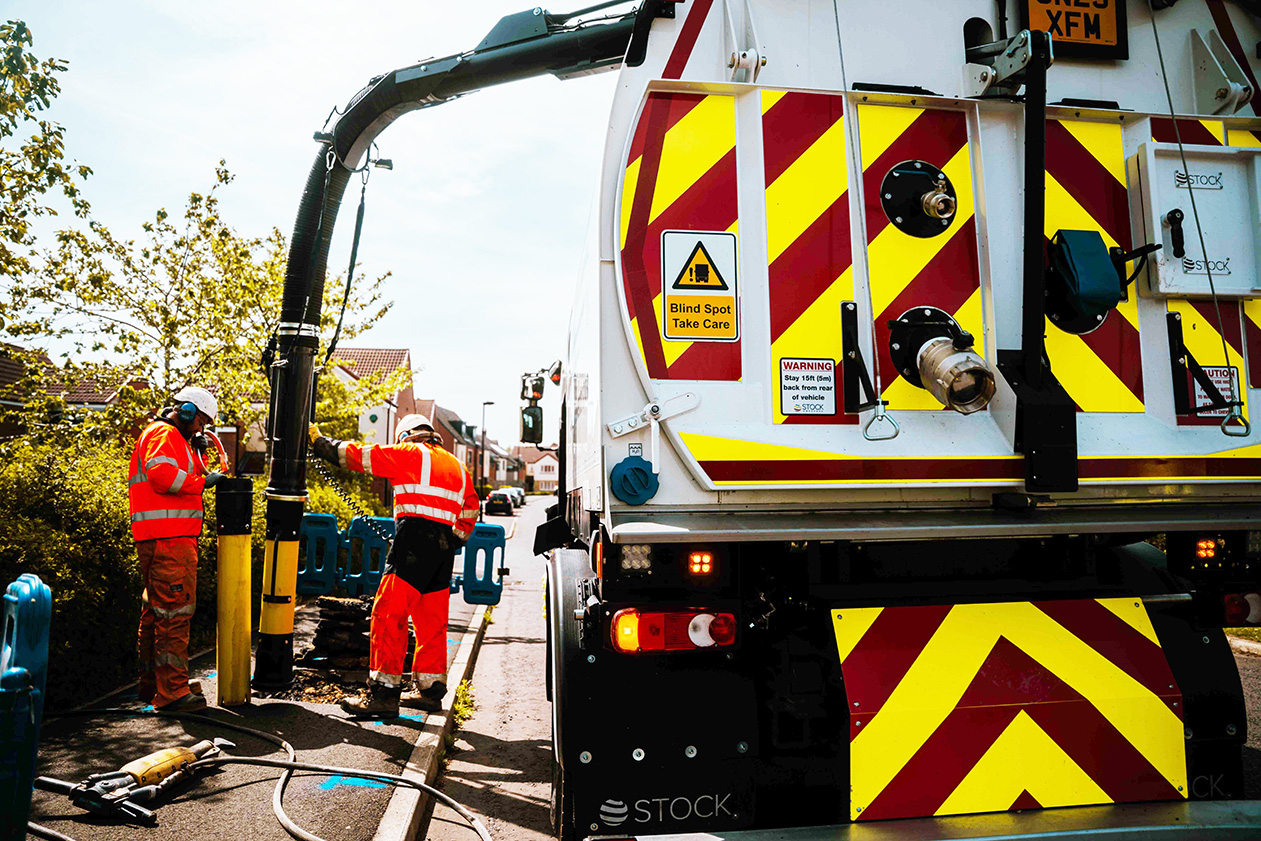
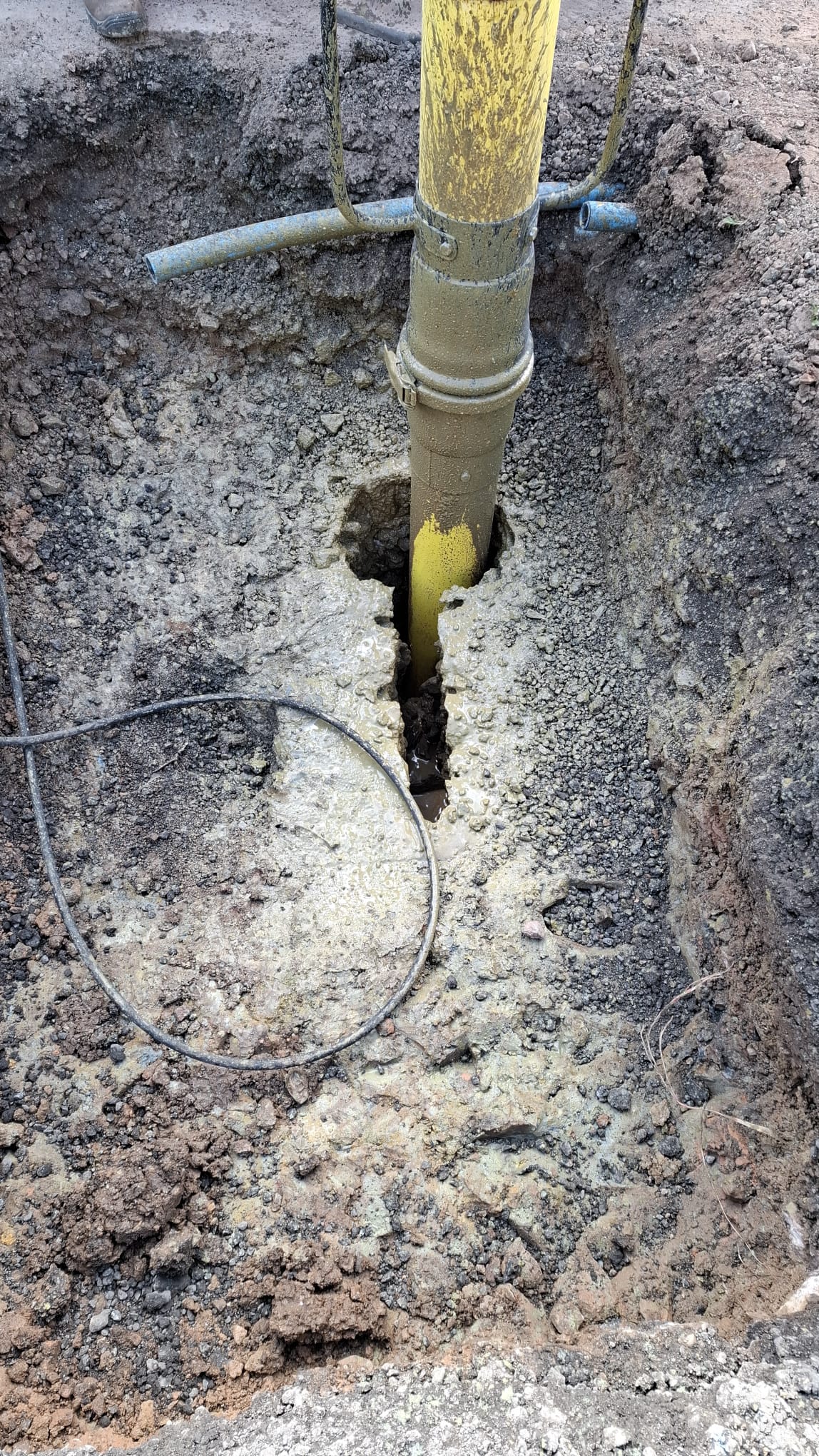
What is Hydro-Suction Excavation?
Hydro-vacuum excavation is a non-destructive digging method used to work safely in sensitive areas, such as around buried utility lines, pipelines, or tree roots.
Why is it used?
Hydro-vacuum excavation is the safest, fastest, and most environmentally responsible method of exposing buried utility services – a clear alternative to conventional hand or mechanical digging.
This non-destructive technique uses high-pressure water and vacuum suction to:
- Greatly reduce the risk of utility strikes
- Cut down on manual labour and associated injuries
- Lower the risk to life, property, and the surrounding environment
- Help preserve tree roots and minimise disruption to surrounding soil
- Minimise project delays caused by reinstatement or clean-up
Ideal for use in streets, verges, footpaths, or sites with unknown underground services, hydro-vacuum excavation delivers precision, speed, and safety – with minimal disruption to the public.
What makes it the safest way of excavating?
Proven risk reduction – with an estimated 60,000 underground cable strikes happening annually in the UK, each one carrying serious safety and financial consequences, hydro-vacuum excavation offers a critical safeguard.
Pinpoint precision – far more accurate than mechanical digging, dramatically lowering the risk of accidents.
Zero human exposure – no workers need to enter the excavation, keeping them clear of buried services and ground hazards.
Less manual effort – reduces fatigue and injuries by minimizing heavy hand-digging.
Clean, safe worksite – excavated debris is instantly removed, maintaining a tidy and hazard-free zone.
Utility preservation – unlike spades or machinery that can strike a line in seconds, our vacuum method gently exposes underground services with minimal contact – keeping them intact for safe repair.
What are the Suitable Service Applications?
Water mains and service lines
Gas pipelines
Electric cables and power networks
Telecommunication and fibre optic lines
Railway and bridge works
Highway and roadworks (potholing, trenching, slot trenching)
Confined or restricted access areas
Tank and chamber excavation
Sewage and drainage works
Culvert and gully cleaning
Tree root and landscaping works
Foundation and piling support
Pipeline and utility repairs
Flood response and emergency excavation
What are the effects of a Utility Service strike?
The health and safety consequences of a service strike can be unthinkable. The impact often extends far beyond the immediate work area — putting workers at risk of serious injury or even loss of life, while also posing a danger to the public further afield.
Although the cost of repairing a damaged utility may be small, the wider economic and financial ramifications are far greater and often difficult to fully quantify. Outages, delays, fines, and reputational damage can all follow a single incident.
The hydro-vacuum excavator significantly reduces, and in many cases eliminates the risk of service strikes, outages, and supply interruptions by exposing buried utilities safely and without physical contact.